Guy Rex Rodgers on his new book, What We Choose to Forget
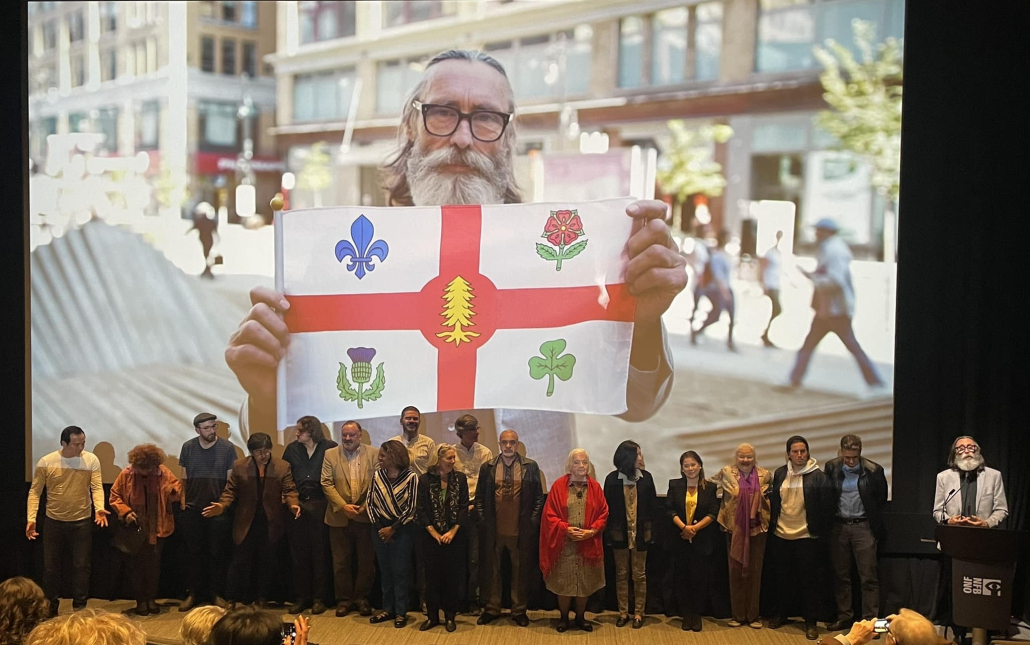
Guy Rex Rodgers will be launching his new book, What We Choose to Forget, on April 16th. The book explores stories of English-speaking Quebecers from all across the province. Ahead of the launch, Guy shared with us a little bit about how this book came to be. Join us on April 16th for the Montreal book launch event and keep your eyes on ELAN’s newsletter and social media for upcoming announcements about future events around the province.
Most ELAN members will know you as the founding Executive Director of ELAN, or as a community activist or as a filmmaker. They might be surprised that your new project is a book.
Guy Rex Rodgers: I’m surprised. But my life has been series of surprising twists and I can look back and see direct links of causality from one to the next. I made the documentary films because I have been interested in questions of identity and belonging for many years. I’m intrigued by the questions – Who is Québécois? And who decides? The films were a natural exploration of those questions. What We Choose to Remember led to a long tour around Quebec. There were 55 screenings from the launch at the Hudson Film Festival in April 2022 to December 2024. Every screening was followed by a conversation with the audience.
My film looked back at the previous half century as a success story. Meanwhile, the government of Quebec was portraying the previous decades as a disaster for Quebec’s French language and culture. Suddenly there was too much English in Quebec and too many English speakers. The people coming to see my film were puzzled and then disturbed, and then many were angry. What they were saying was important because their contribution to Quebec was important and it was being dismissed as irrelevant. After about 20 screenings, I knew the stories I was hearing had to be shared.
Did you think about making a film?
GRR: I did, but it would have cost a fortune to take a film crew on the road for 30 months! Also, it took awhile to realize the importance of the story so even if I’d applied for funding immediately — and received it rapidly — it would have arrived too late to document most of the screenings.
Why a book format?
GRR: As I said, I have been thinking about these questions for decades. I was 26 when I came to Quebec to study playwriting at the National Theatre School. I had spent the previous 13 years living in Australia. Before that I lived in Vancouver, so when I arrived here I knew almost nothing about Quebec. Over the years I have read many books that helped me understand the history, politics and psychology of Quebec I wanted to include parts of them in this journey.
It sounds like there are multiple dimensions in your book! How do they all fit together?
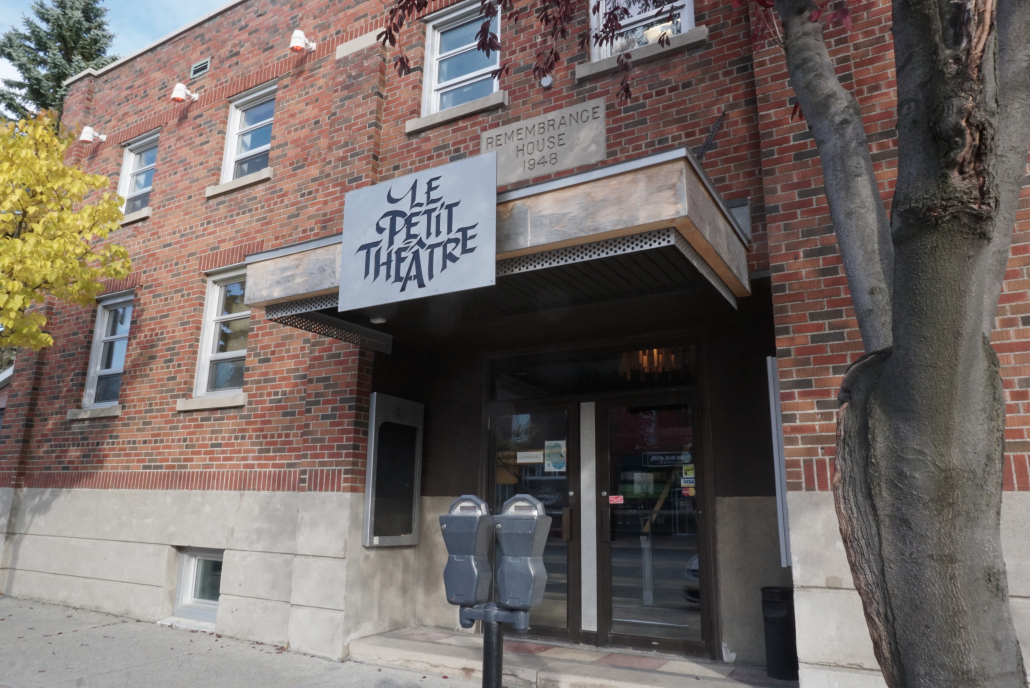
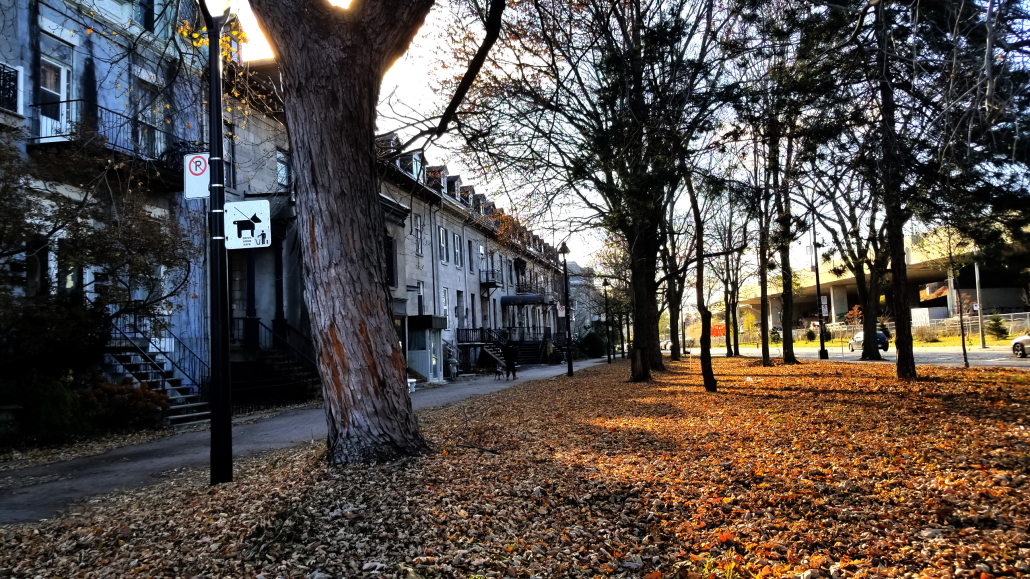
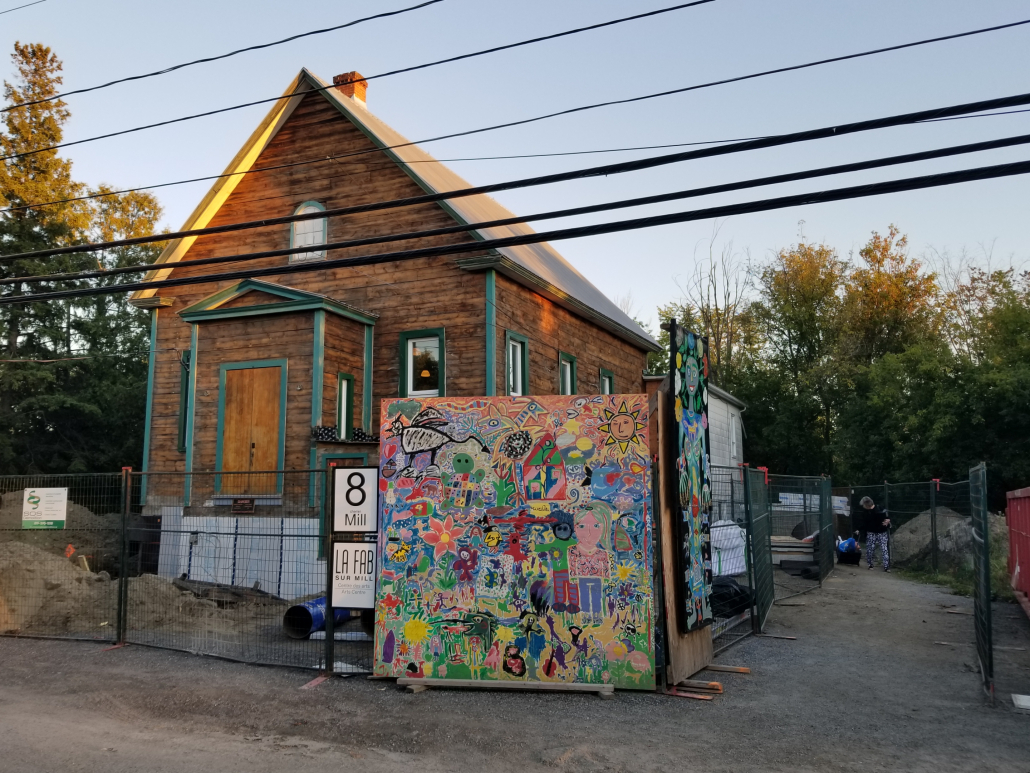
GRR: The primary storyline is the tour, which has a geographical dimension. The oldest settlements were built along rivers and lakes. Pioneers travelled by water. That was the significance of Montreal as an island, where two major rivers meet. Then there was a period when new towns were built along railway lines. Geography helps explain history. The storyline of the tour provides a framework to put each community in its historical context. It enables the reader to understand the way each community has developed differently and how each was shaped by the local mix of languages and religions.
Did you get a mix of English speakers and francophones at the screenings?
GRR: Most of the audience members were Anglos or allophones. The francophones who attended were often married to Anglos, or they were immigrants who identify with the minority perspective of the outsider more than with the perspective of the francophone majority. They would say, “There is a belief in Quebec that if everyone spoke French there would be no problems. But French is my mother tongue and it is still a problem to have my credentials recognized here or find an affordable apartment.” The absence of “francophones-de-souche” was an important reason to include those missing voices via novels and other written sources.
Why were francophones missing from your screenings?
GRR: I wish I knew the answer! But I have a couple of theories. Almost all of the organizations that hosted screenings were associated with the English-speaking community: from regional associations to the English universities. Quebec is no longer a simple binary of two solitudes but at the institutional level there is still not a lot of interaction between the two communities. Look at Quebec Drama Federation and le Conseil Québécois du théàtre or Quebec Writers’ Federation and l’Union des écrivain(e)s Québécois. There is some overlap, but still not much.
Are things getting better or worse?
GRR: It depends who you ask! The reason I wanted to document this tour was that hundreds of people shared their stories. They come from many different backgrounds and they present a collective snapshot of Quebec from a minority perspective. At the beginning of the tour, the tone was upbeat. People could look back at a half century of political conflict and say, “We have all contributed to making Quebec a great place to live.” By the end of the tour, people were definitely pessimistic because of Bill 96 and the way it has been used to portray English-speakers and immigrants as a problem for Quebec. A lot depends on the fall election. Will the next government dial things back or double down on ethnic nationalism? Whichever way it goes, the stories in this book are an important record of this time in Quebec’s history.