What is an overarching goal of your artistic practice thus far?
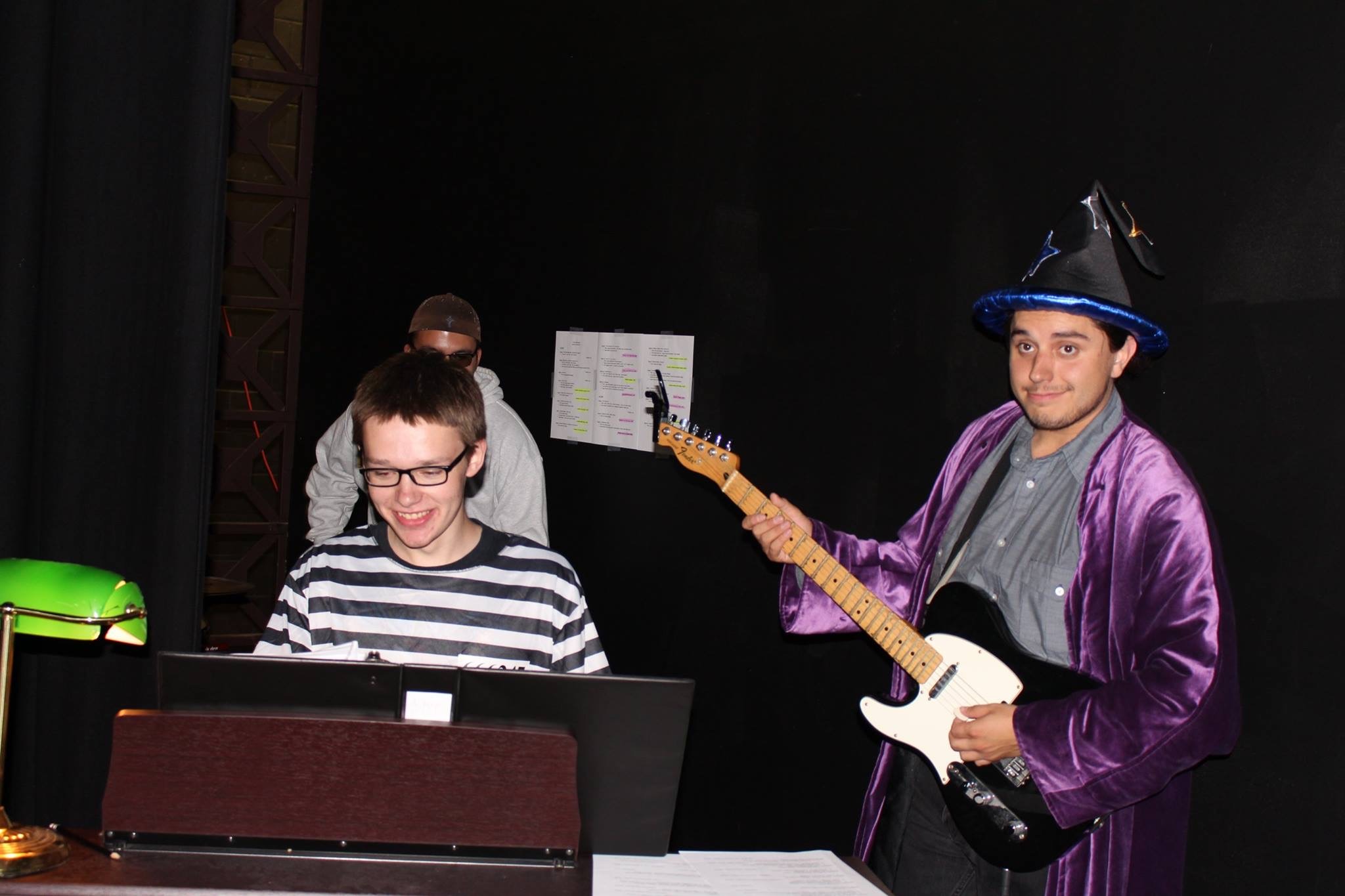
Being a rez kid taught me how to have as much fun as possible with as little money as possible, and that ethos has carried over to my artistic practice. Whether it’s directing a show, leading a rock band, or writing a book, my goal has always been to prove that you don’t need a massive budget (or any budget, for that matter) or special training to make great art, to meet awesome collaborators, and overall to entertain people.
What was a formative artistic experience for you?
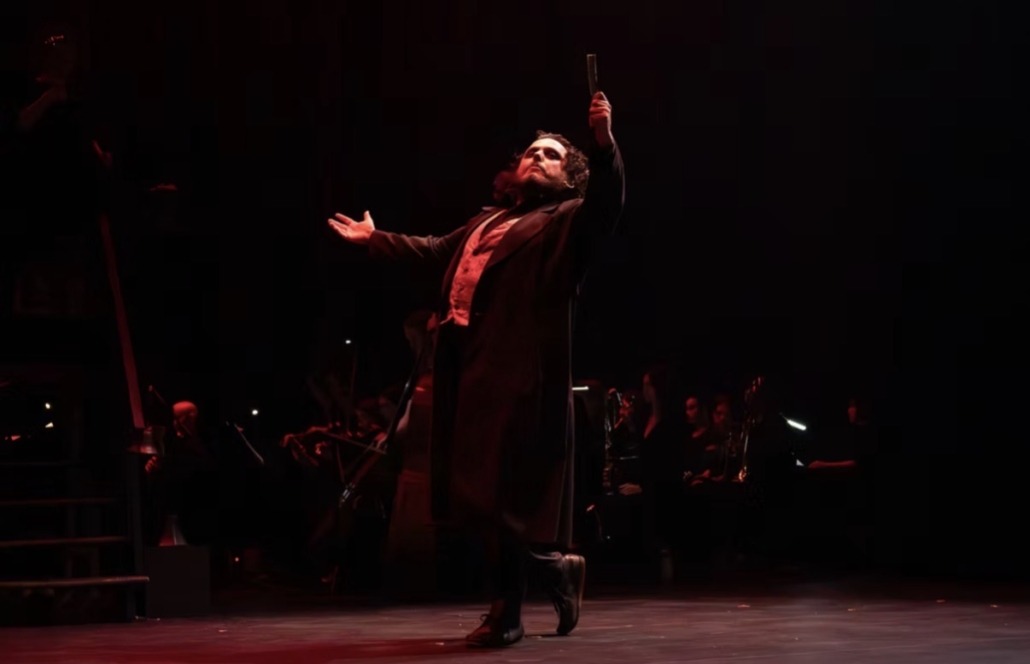
I had the privilege to see a number of the early Turtle Island Theatre shows in Kahnawà:ke as a kid. Under Kevin John Saylor’s direction, they performed a lot of classics like Peter Pan, Romeo & Juliet, Grease, and The Sound of Music. I would see those shows and think that the actors were simply the coolest people in the world. It felt at the time like the actors were doing things I could never dream of: getting up onstage, singing and dancing and making people laugh. It was The Sound of Music in particular that finally made me decide: next time they hold auditions, I’m going to try out.
Which mentor figure(s) made the greatest impact on you?
I studied under the great Cherokee Nation scholar Daniel Heath Justice when I was doing my doctoral studies out west. He has such a brilliant mind and a gentle soul that fundamentally reshaped how I engage with art. I used to be something of a hater; I thought it was cool to be aggressively hypercritical and snarky towards everything from movies to music and even video games. Daniel taught me about the importance of being kind and generous to the art that manages to make its way into our lives—generous in our interpretations, as audience members, and as co-creators too.
If you could tell your younger self something, what would it be?
I would reassure my younger self that, although it never gets easier, it does get better over time. Again, to be kind and generous has been the most vital lesson I’ve learned. It takes hard work, compassion, and self-awareness to stay kind and generous to your audience and your fellow artists, but in the end it’s ultimately the more generative and rewarding way to operate. I wish I had known that a lot sooner!